top of page

WHAT IS THE ACTIONABLE INNOVATION INSTITUTE℠




The clear message will be delivered: I Stand For Heroes, So They Can Stand For Us All!
URS250Tour™ encourages the future to participate in allowing the opportunity to honor one's heroes, in a professional, relatable, and educational manner.
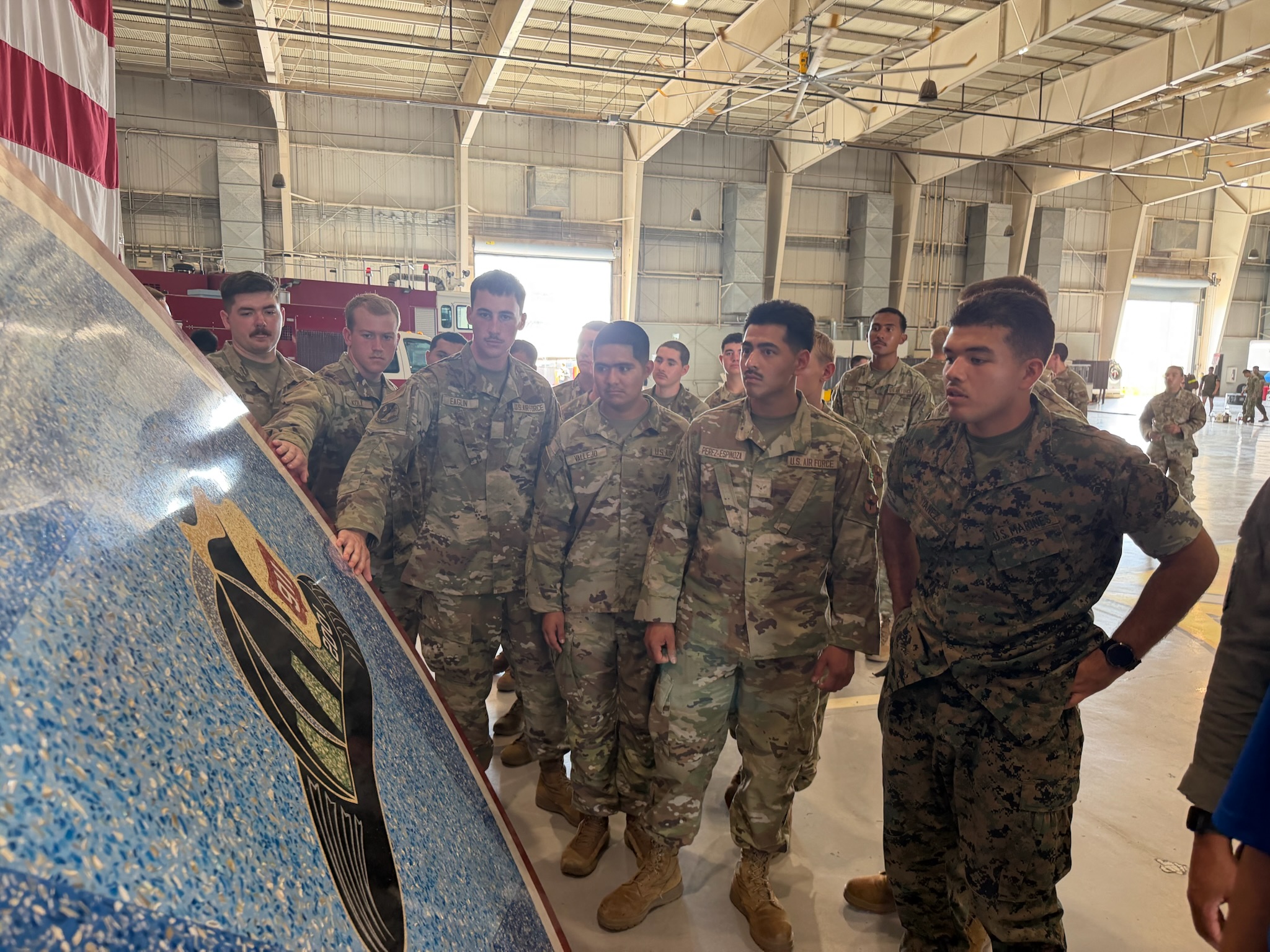
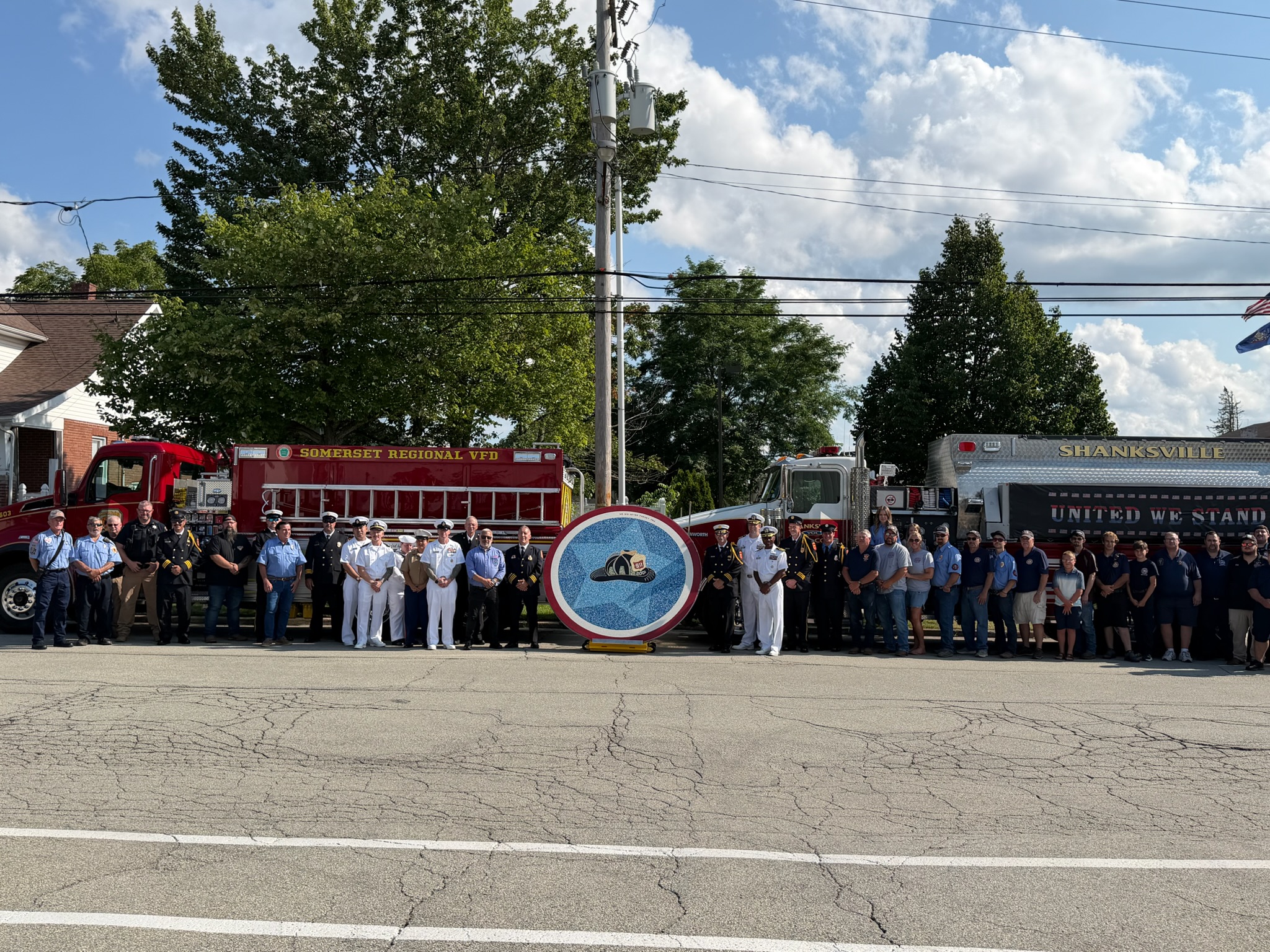
The United Responder Shield™ honors all responders & branches of the military, going beyond the bounds of individual designations & unifying brave men & women with a God-given purpose, saving lives.
Together we will NOT FORGET by Remembering! By instilling values in our children, and by having them mindful of our champions and appreciative of the freedoms our great nation has!


The Story Behind the Actionable Innovation Institute
The Actionable Innovation Institute℠ (AII℠) was formed as a nonprofit in March 2024 with a simple but ambitious purpose: to create a new way for responders to learn, collaborate, and become stronger together. Through affordable membership and philanthropic support, AII℠ brings together the collective knowledge and experience of the responder community to advance tactical approaches, improve building-occupant safety, support code compliance, encourage new technology, and provide an apolitical voice for responders nationwide.
A Mission Born from September 11
The Actionable Innovation Institute was founded by Bruce Schmutter, whose quarter-century journey to find meaning in the tragic events of September 11, 2001, became the foundation for his life's work.
Bruce was scheduled to work only blocks from the World Trade Center on that Tuesday morning. Instead, after waking to the sunshine, he made the decision to stay home with his 18-month-old son, Coby, born on February 11, 2000. In a series of circumstances Bruce would later recognize as deeply meaningful, that decision ultimately saved his life.
His efforts began on September 12, when he volunteered as number 111, providing food, supplies, and support to first responders. While firefighters, police officers, and other responders continued their relentless search for survivors and their fellow heroes, Bruce went directly to the front lines. He brought responders back to his truck, one by one, where he fed them, listened to them, and offered whatever support he could.
Over the four months Bruce spent at or near the World Trade Center site, he witnessed extraordinary courage, sacrifice, and resilience. He also began to recognize a critical challenge: responders needed to be able to reach people quickly, and people needed to have a safe way out.
He watched police officers and firefighters carry their own injured colleagues to Beekman Hospital, sometimes forcing doors open and causing unintended damage in the process. Those experiences shaped his philosophy of required ingress: If responders cannot get in, how am I to get out?
Bruce came to understand that there is no single “wrong” way to use a door when someone's life is at stake. People cross a threshold for a reason. If an EMS team is carrying your child to safety, no one would ask them to slow down because they might damage a door.
That realization became the beginning of a lifelong mission: how can we give occupants and responders the information they need before they are exposed to danger?
From Lessons Learned to Actionable Innovation
Bruce's vision expanded from real-time signage and emergency building systems to a much broader effort focused on improving survival and responder effectiveness.
Only months after September 11, Bruce met FDNY Deputy Chief Vincent Dunne and attended his presentation, Survival on the Fireground. The experience reinforced the direction of his work. Bruce subsequently joined the Fire Life Safety Directors Association and began dedicating his career to understanding how buildings, technology, emergency response, and human behavior could work together to save lives.
Twenty-five years later, that mission has evolved into founding the Actionable Innovation Institute℠.
Working alongside organizations and partners including the DC Fire & EMS Foundation, Federal Law Enforcement Foundation, FDNY Foundation, Global Shield, Voices for Resilience, and others, Bruce has worked to unite the often-disconnected efforts of the broader responder community into a collective learning environment.
AIISM is built around lessons learned, hands-on trials, collaboration, and organic curriculum development—taking ideas beyond theory and putting them into practice.
Bruce expanded his focus to non-fire and violent-event response in 2022 and was actively working with the FDNY by December 2024. His goal has remained consistent: make responders more informed, more prepared, and better equipped before they arrive at the scene.
The United Responder Shield™
On June 17, 2025, FDNY Chief Leonard Roe presented Bruce with a signed Leroy Neiman print depicting the 343 FDNY firefighters lost on September 11. Bruce reached out to his longtime friend Allen Sedaka, asking him to help transform the powerful artwork into a three-dimensional tribute.
Allen donated his time, materials, creativity, and hundreds of hours of his employees' efforts to bring the concept to life.
With decades of experience in terrazzo and innovative resin-based materials, Allen had developed techniques that transformed traditional design limitations into seamless, highly durable artistic surfaces. His work has been featured in casinos and airports around the world and has endured environments ranging from earthquakes and tsunamis to everyday wear and tear.
From the moment Bruce met Allen during COVID, he recognized a shared spirit and purpose.
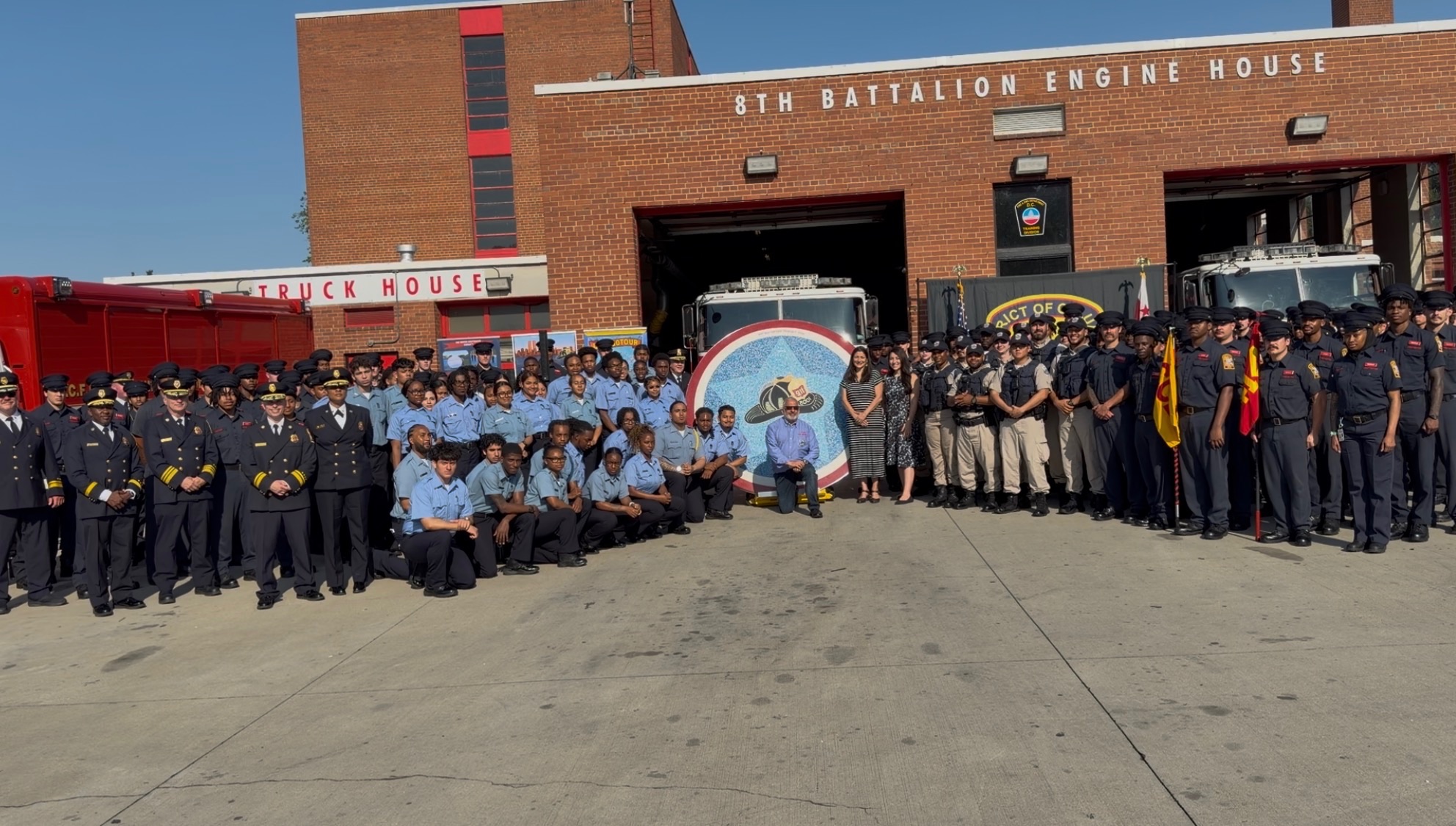
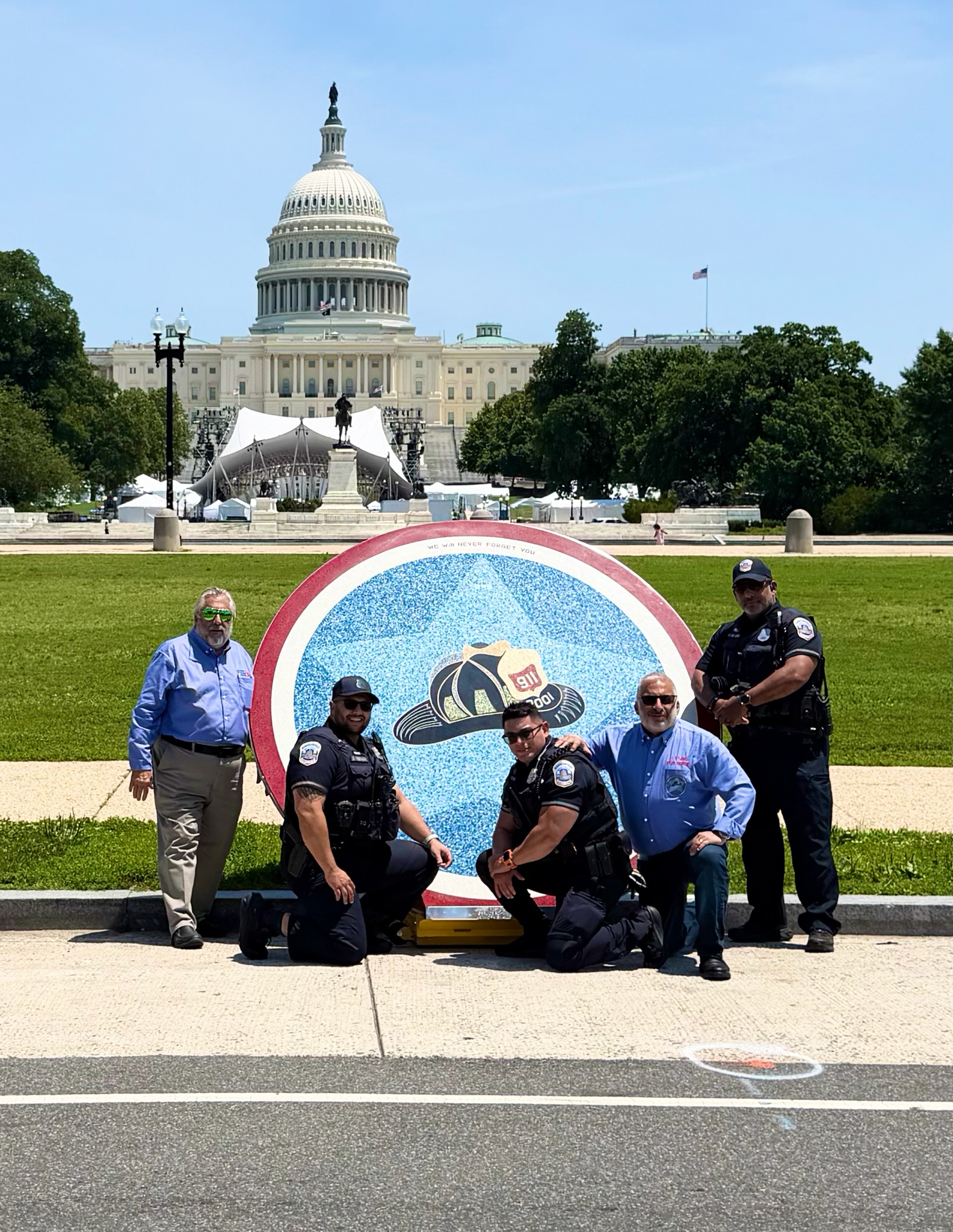
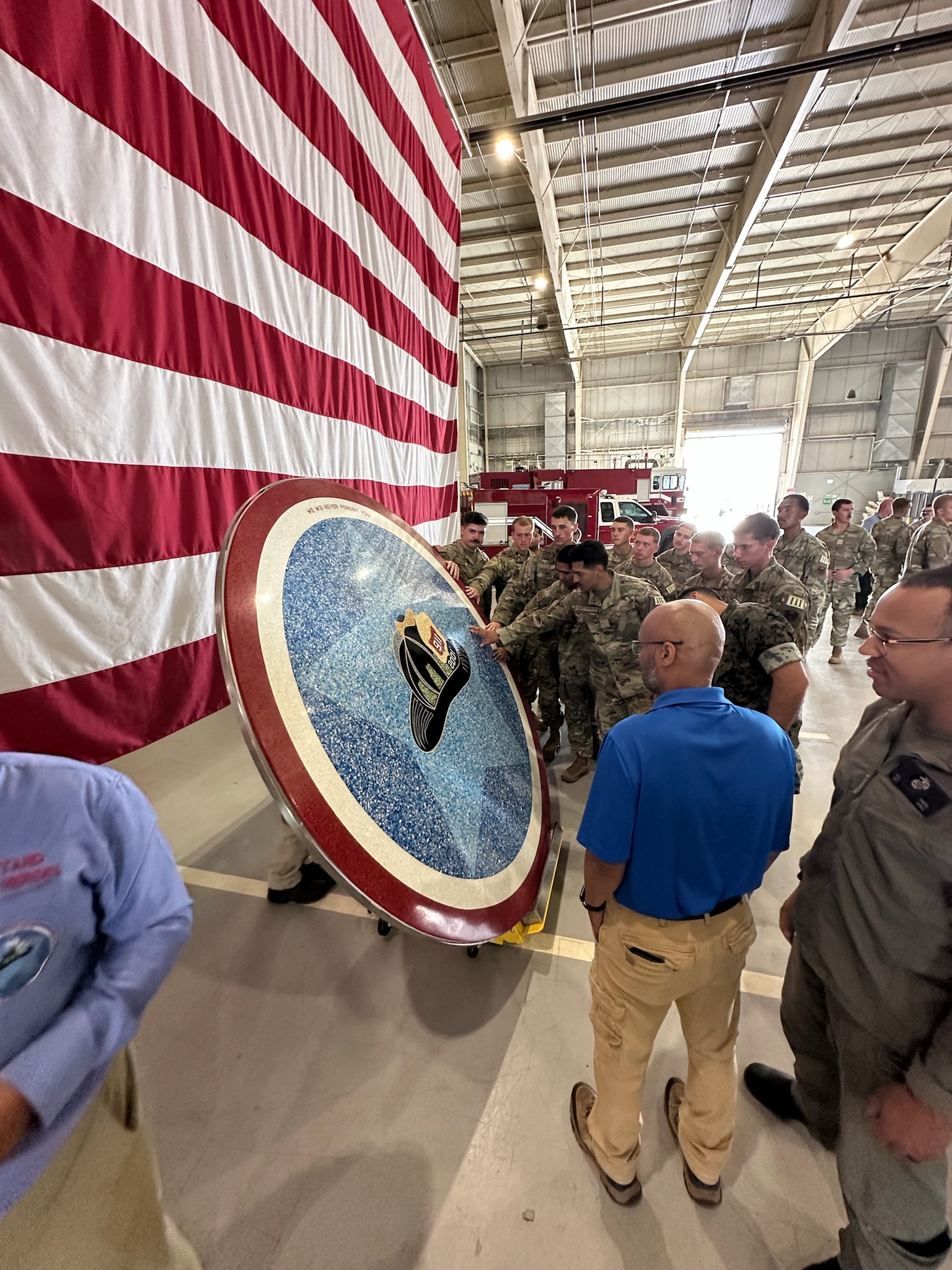
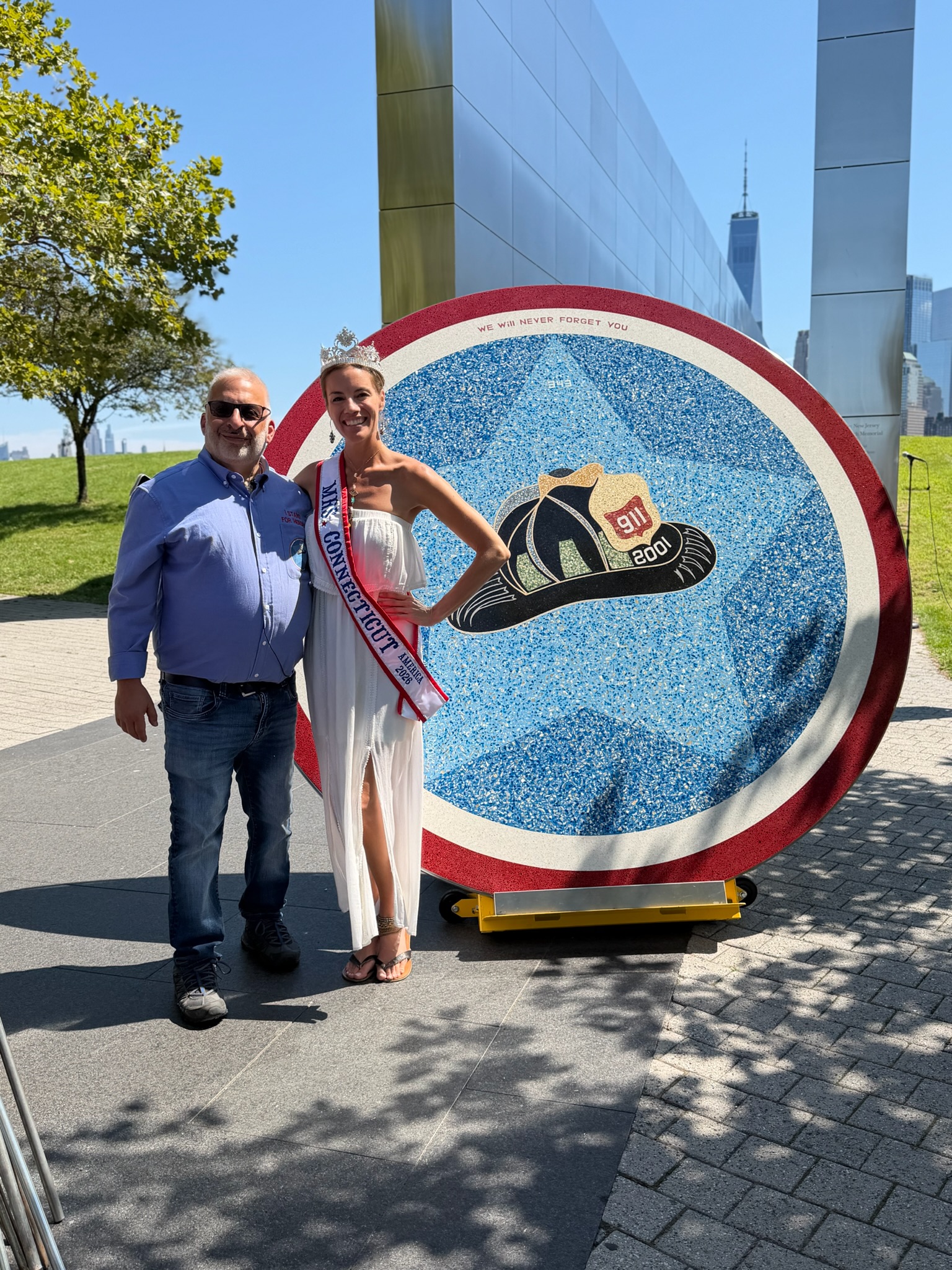
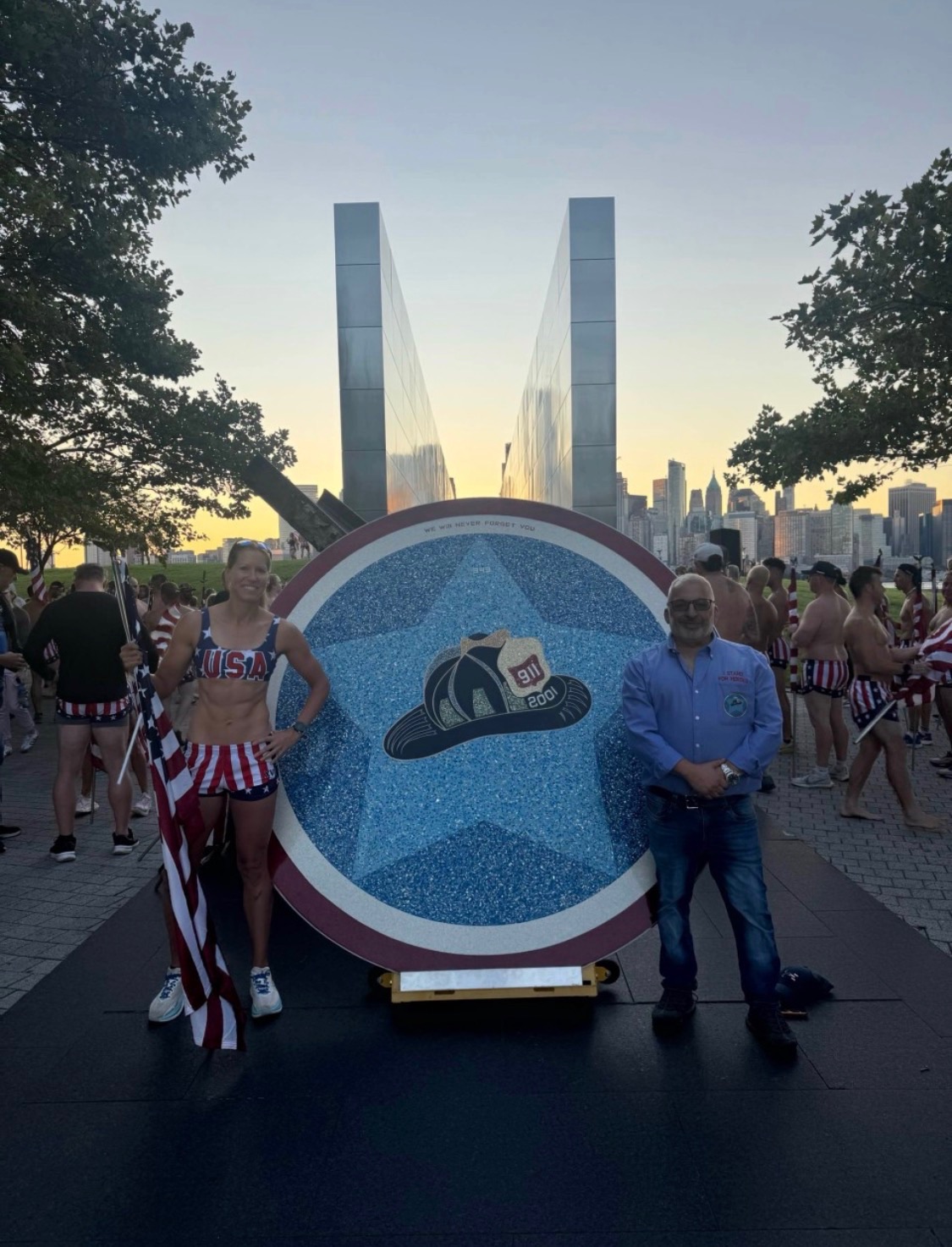
Together, they transformed the tribute into an 18-inch-tall helmet, twice 18 inches wide. The number 18 carries special significance: in Hebrew, the letters of the word Chai, meaning “life” or “alive,” add up to 18. It is therefore traditionally associated with life, longevity, blessing, and good fortune.
The helmet was cast within a star, symbolizing law enforcement and the broader community of heroes who answer the call.
The tribute ultimately became something more: a symbol of protection, remembrance, and collective responsibility.
Bruce named it the United Responder Shield™ and established its guiding message:
We will never forget the heroes that willingly sacrificed their lives.
Their efforts have forever forged a shield of protection for us all.
The United Responder Shield™ honors the past while representing a commitment to a safer tomorrow. It has become the emblem of the Actionable Innovation Institute and a visual representation of its mission to bring responders together.
A Shield for Every Responder
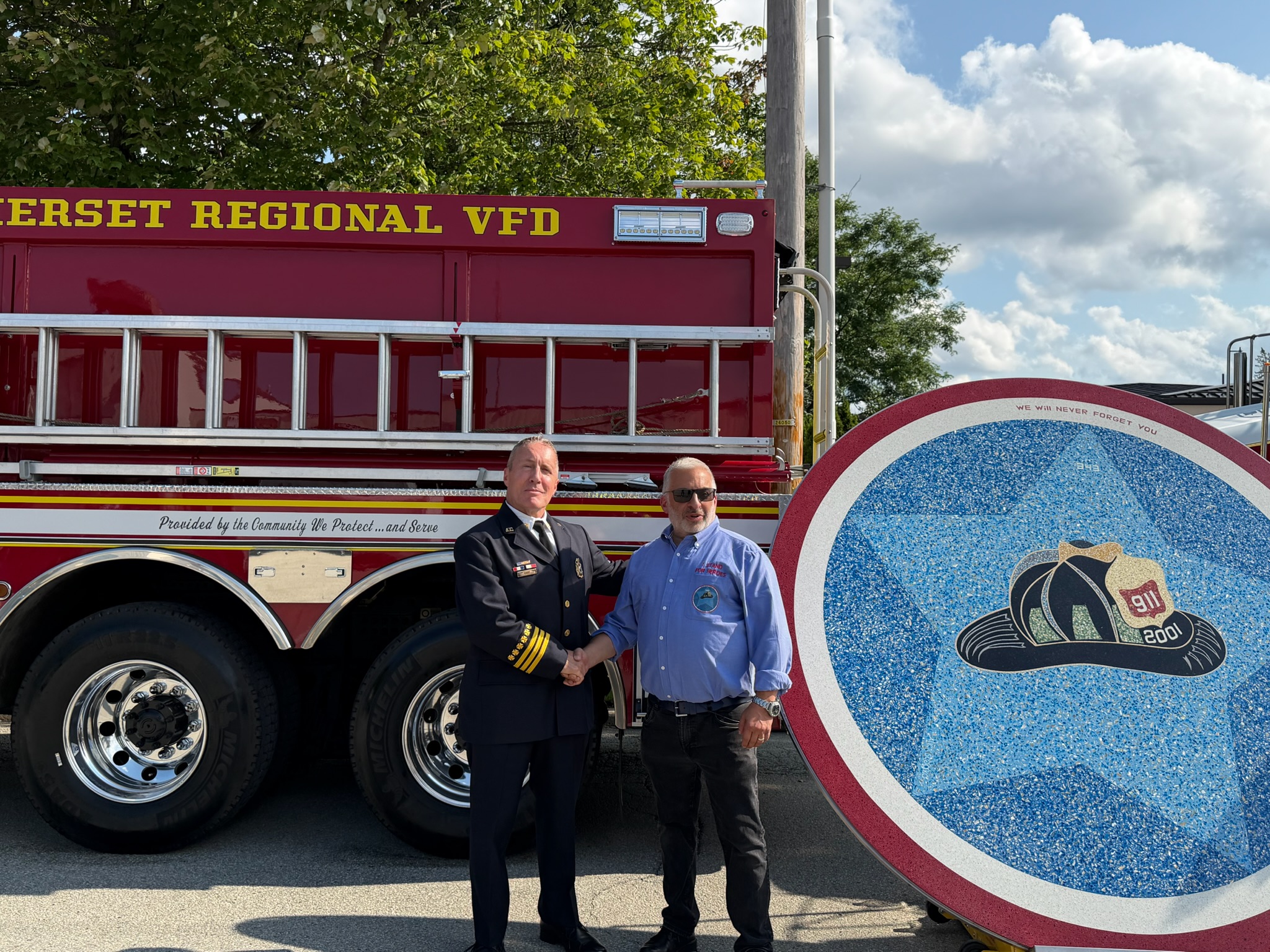
The concept was brought to the FDNY, which immediately partnered with Bruce's efforts. Amy Mauro, CEO of the DC Fire & EMS Foundation, and John Devito, Executive Director of the Federal Law Enforcement Homeland Security Foundation, helped build momentum behind the initiative.
Former FDNY Chief of Department Tom Richardson took point as the United Responder Shield made its public debut at the FDNY 2025 Stair Climb on Randall's Island.
In front of hundreds of attendees, Bruce introduced his vision. Families gathered to honor their loved ones, rang the symbolic bell, and walked toward the United Responder Shield in remembrance.
It was more than a tribute. It was the beginning of a promise.
Bruce pledged to become a national voice for responders—putting jurisdictional and political boundaries aside in pursuit of a common goal: making responders and the people they protect safer.
There are approximately 4.6 million first responders across the United States. The question is simple:
Who speaks for them?
AII℠ believes they deserve a singular, apolitical voice dedicated to learning, innovation, preparedness, and action.
Building the Future Through Action
AII℠ is founded on the belief that meaningful innovation cannot exist solely on paper.
Much like the philosophy behind Field of Dreams, Bruce believes that we must build the vision in tangible ways for people to truly believe in it. In an era increasingly driven by artificial intelligence and digital solutions, technology can provide tremendous benefits—but technology alone cannot make communities safer.
The work still has to be done.
Occupants with mobility challenges should not be left feeling trapped because traditional emergency procedures tell them what they cannot do. Responders should not enter a fireground or other dangerous environment without the knowledge, information, and tools necessary to make informed decisions.
AII℠ exists to bridge that gap.
The Institute is focused on increasing occupant survival while providing responders with actionable tactical information before they arrive on scene.
The objective is straightforward:
Validate that there is someone or something worth going to.
Determine how to get there.
Understand what is happening when you arrive.
And, ultimately, determine how to get out based on the dynamic conditions of the moment.
That final question—how do I get out?—may be the most important question a responder can answer.
The Actionable Innovation Institute℠ is committed to finding those answers together.
Through collective learning. Through innovation. Through hands-on action. And through a commitment to never stop learning from those who came before us.
bottom of page